Creating a professional website is essential for businesses that want to build an online presence, attract customers, and increase sales. In the past, building a website required advanced coding knowledge and expensive development services. Today, website builder platforms allow businesses to create fully functional websites quickly and easily without technical expertise.
Modern website builders provide drag-and-drop editors, customizable templates, built-in hosting, and marketing tools that help businesses launch professional websites in a short time.
What Is a Website Builder
A website builder is a platform that allows users to create websites using visual tools instead of coding. These platforms provide templates and design elements that users can customize according to their business needs.
Website builders typically include features such as domain management, hosting services, SEO tools, and mobile optimization. This makes them ideal for small businesses, startups, and entrepreneurs who want to launch websites quickly.
Many website builders also include e-commerce capabilities, allowing businesses to sell products and services directly from their websites.
Benefits of Using Website Builders
One of the biggest advantages of website builders is simplicity. Businesses can design and launch websites without hiring developers or learning programming languages.
Website builders also reduce development time. A website that might take weeks or months to develop traditionally can be built within hours using modern platforms.
Another benefit is built-in support for mobile responsiveness. Most website builder templates automatically adjust to different screen sizes, ensuring that websites look good on smartphones and tablets.
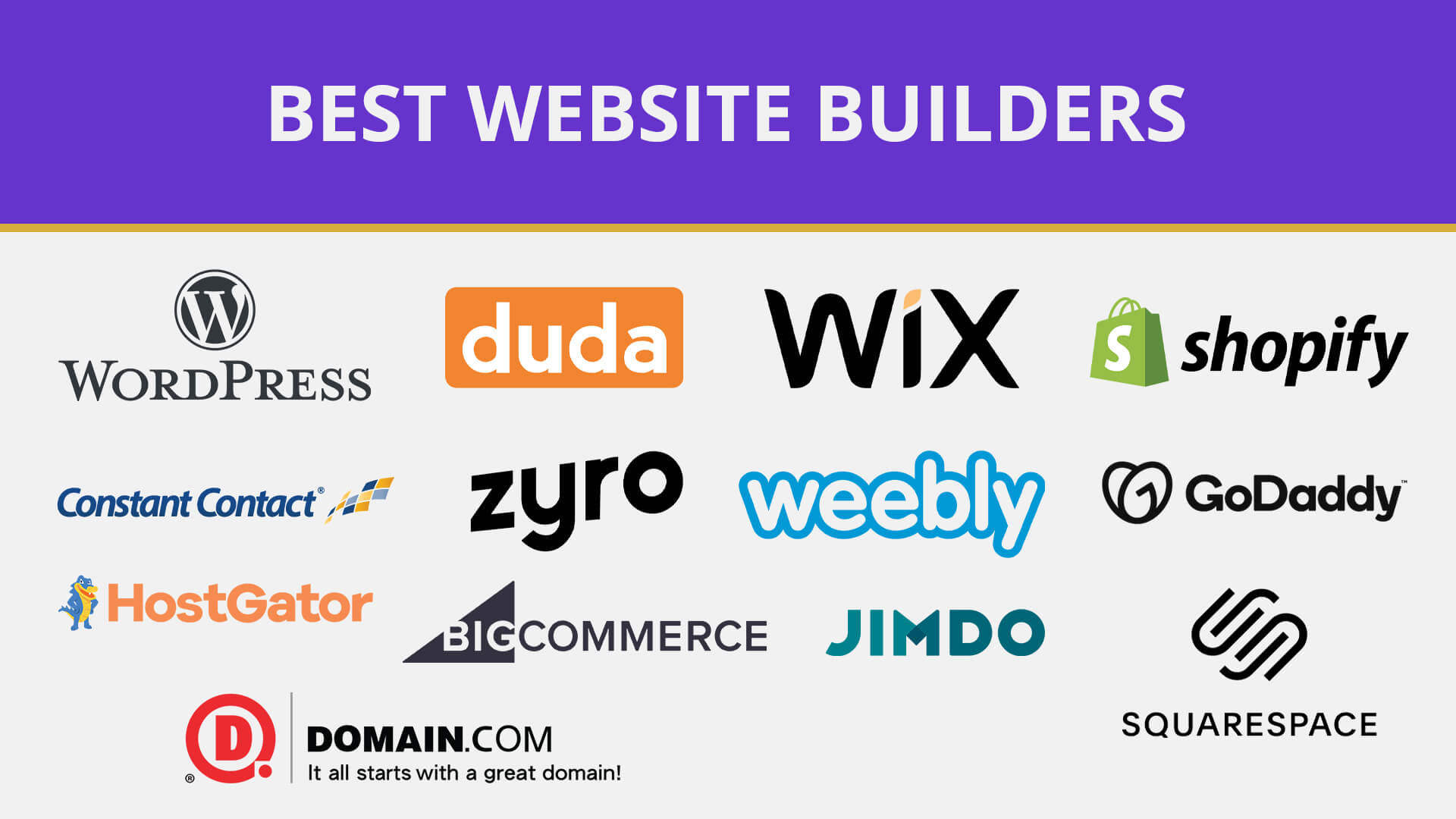
Wix
Wix is one of the most popular website builder platforms in the world. It offers a drag-and-drop editor that allows users to design websites easily using visual elements.
The platform provides hundreds of customizable templates designed for different industries such as restaurants, online stores, and professional services.
Key Features:
- Drag-and-drop website editor
- Large template library
- Built-in SEO tools
- App marketplace for additional features
Shopify
Shopify is one of the best website builders for e-commerce businesses. It is designed specifically for online stores and provides powerful tools for managing products, payments, and orders.
Shopify includes secure payment processing, inventory management, and marketing tools that help businesses sell products online.
Key Features:
- Powerful e-commerce tools
- Secure payment processing
- Inventory management
- Integrated marketing features
Squarespace
Squarespace is known for its visually appealing templates and professional design capabilities. It is widely used by photographers, designers, bloggers, and creative businesses.
The platform includes tools for blogging, e-commerce, portfolio websites, and business websites.
Key Features:
- Elegant design templates
- Built-in blogging platform
- Integrated e-commerce features
- Mobile-optimized designs
WordPress
WordPress is one of the most flexible website-building platforms available. It powers a large portion of the internet and offers extensive customization options through themes and plugins.
Businesses can create almost any type of website using WordPress, including blogs, business websites, online stores, and membership platforms.
Key Features:
- Thousands of themes and plugins
- Strong SEO capabilities
- Highly customizable platform
- Large developer community
Webflow
Webflow is a powerful website builder that combines visual design tools with advanced development capabilities. It is popular among designers who want more control over website layout and animations.
Webflow allows users to design professional websites while generating clean code automatically.
Key Features:
- Advanced design flexibility
- Responsive design tools
- Built-in hosting
- CMS and e-commerce support
How to Choose the Best Website Builder
Choosing the best website builder depends on the type of business and website requirements. Businesses that focus on e-commerce may benefit from platforms such as Shopify, which offers specialized tools for online stores.
Creative professionals may prefer design-focused platforms like Squarespace or Webflow. Businesses that require maximum flexibility and customization may choose WordPress due to its large ecosystem of plugins and themes.
Budget is another important factor. Some platforms offer free plans with limited features, while others require monthly subscriptions for advanced functionality.
Website Builder Tips for Businesses
When building a business website, it is important to focus on user experience and clear navigation. Visitors should be able to find information quickly and easily.
Search engine optimization should also be considered during website development. Using SEO-friendly titles, descriptions, and content helps improve search engine rankings.
Businesses should also ensure that websites load quickly and are optimized for mobile devices, as a large percentage of internet traffic now comes from smartphones.
Website builders have made it easier than ever for businesses to create professional websites without technical expertise. Platforms such as Wix, Shopify, Squarespace, WordPress, and Webflow offer powerful tools that help businesses build attractive and functional websites quickly. By choosing the right website builder and focusing on strong design and user experience, businesses can establish a strong online presence and reach a wider audience in the digital marketplace.