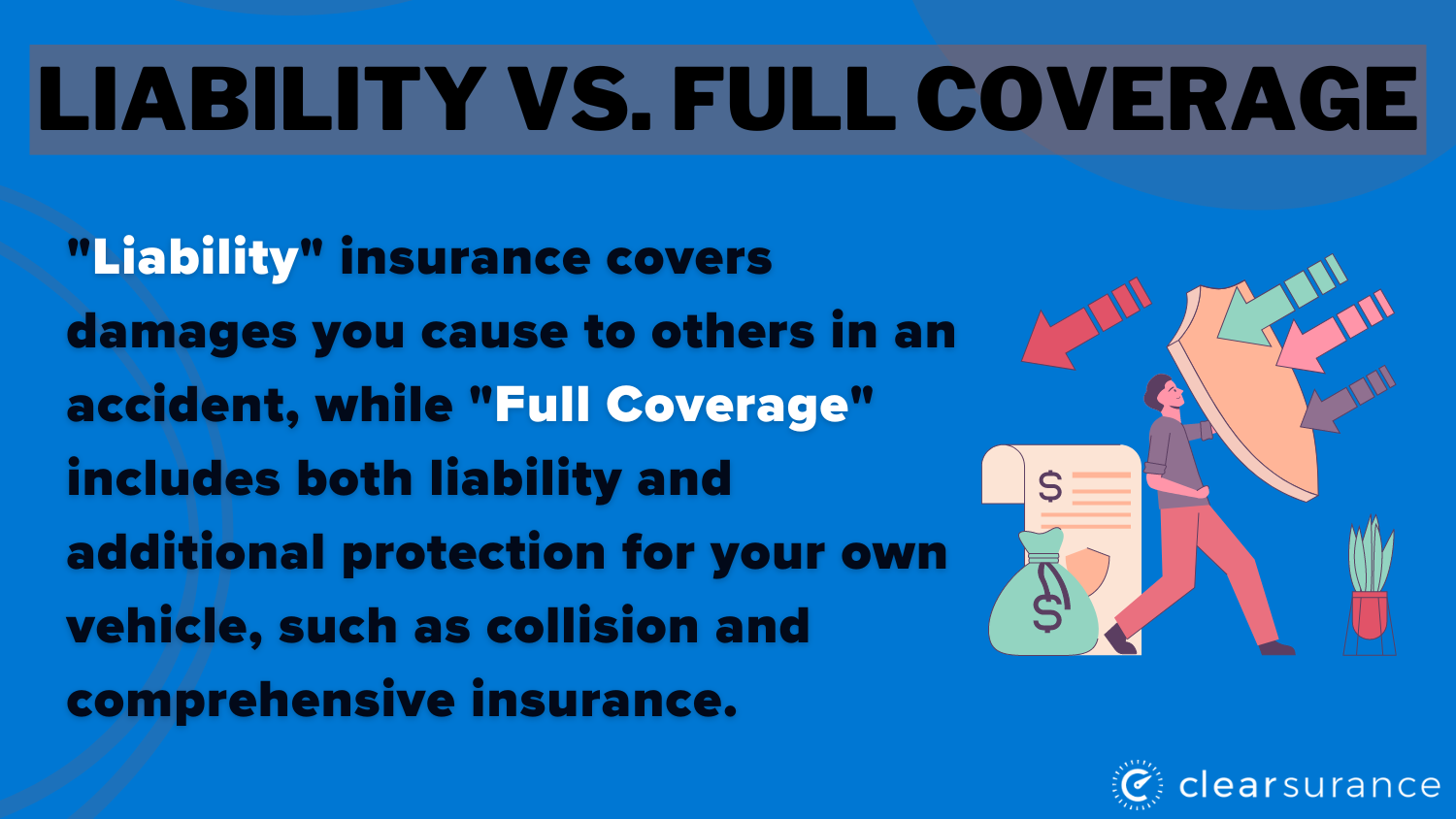
Car insurance is a financial safety net that protects drivers from expensive damages and legal costs after accidents. When choosing an insurance policy, most drivers encounter two common options: full coverage insurance and liability insurance. Understanding the difference between these two types of coverage is essential for selecting the right policy based on your budget, vehicle value, and risk tolerance.
What Is Liability Car Insurance
Liability insurance is the most basic type of auto insurance coverage and is required by law in most states in the United States. This type of insurance covers damages and injuries you cause to other people or their property during an accident.
Liability insurance does not cover damages to your own vehicle. Instead, it focuses on protecting other drivers and property owners if you are responsible for the accident.
There are two primary components of liability insurance. Bodily injury liability covers medical expenses, lost wages, and legal fees if another person is injured in an accident you cause. Property damage liability covers the cost of repairing or replacing another person’s property, such as vehicles, fences, or buildings.
Because liability insurance offers limited protection, it is typically the cheapest form of car insurance available.
What Is Full Coverage Car Insurance
Full coverage insurance is a broader insurance package that combines several types of protection. Although the term “full coverage” is not an official policy type, it usually includes liability insurance along with collision and comprehensive coverage.
Collision coverage pays for repairs to your own vehicle after an accident, regardless of who is at fault. Comprehensive coverage protects your vehicle from non-collision damages such as theft, vandalism, fire, storms, or falling objects.
With full coverage insurance, drivers receive much stronger financial protection compared to liability-only policies. However, this additional protection also comes with higher insurance premiums.
Key Differences Between Liability and Full Coverage Insurance
One of the biggest differences between the two insurance options is the level of protection provided. Liability insurance only protects other people involved in an accident, while full coverage protects both you and others.
Another major difference is cost. Liability insurance is much cheaper because it offers limited protection. Full coverage insurance costs more because it includes additional protections for your vehicle.
Vehicle eligibility is also an important factor. Drivers with older or low-value vehicles often choose liability insurance to save money. In contrast, drivers with new, financed, or high-value vehicles typically choose full coverage to protect their investment.
When Liability Insurance Is the Better Choice
Liability insurance can be a good option for drivers who own older vehicles with low market value. If the cost of full coverage insurance is higher than the value of the car, maintaining liability-only coverage may make more financial sense.
Drivers who rarely use their vehicles or have a tight budget may also prefer liability insurance because of its lower monthly premiums.
Additionally, if a vehicle is fully paid off and not financed through a lender, drivers have the flexibility to choose liability coverage instead of full coverage.
When Full Coverage Insurance Is the Better Choice
Full coverage insurance is often the better option for drivers who own newer or expensive vehicles. If the car is financed or leased, lenders usually require full coverage insurance to protect the vehicle.
Drivers who live in areas with high accident rates, theft risks, or severe weather conditions may also benefit from the additional protection provided by full coverage policies.
Full coverage insurance is particularly valuable for people who rely heavily on their vehicles for daily commuting, business operations, or family transportation.
Cost Comparison Between the Two Options
On average, liability insurance costs significantly less than full coverage insurance. However, the exact price difference depends on factors such as location, driving history, vehicle type, and coverage limits.
Full coverage policies may cost two to three times more than liability-only policies in some cases. While the price difference can be substantial, the financial protection offered by full coverage may be worth the additional cost for many drivers.
Comparing insurance quotes from multiple providers is the best way to determine which coverage option offers the best value.
How to Decide Which Insurance Is Right for You
Choosing between full coverage and liability insurance depends on several personal factors. The age and value of your vehicle should be one of the first considerations. Newer cars usually benefit from full coverage protection.
Your financial situation also plays a role. Drivers who cannot afford expensive vehicle repairs after an accident may prefer full coverage insurance for additional protection.
Risk tolerance is another important factor. Drivers who prefer maximum financial security often choose full coverage policies, while those comfortable with higher financial risk may opt for liability-only coverage.
Tips for Reducing Insurance Costs
Regardless of the type of coverage you choose, there are several strategies that can help reduce your insurance premiums. Maintaining a clean driving record, increasing your deductible, and bundling multiple insurance policies can lower costs.
Drivers can also take advantage of safe driver discounts, good student discounts, and low mileage programs offered by many insurance providers.
Shopping around and comparing quotes regularly ensures that you continue receiving the best possible insurance rates.
Selecting between liability insurance and full coverage insurance requires careful consideration of vehicle value, financial risk, and personal driving habits. Liability insurance offers affordable protection for other drivers and property, while full coverage insurance provides broader protection for both your vehicle and others on the road. Understanding the differences between these coverage options helps drivers make informed decisions and choose insurance policies that provide the right balance of protection and affordability.