Artificial intelligence is transforming how online businesses operate. From customer support and marketing automation to data analysis and product recommendations, AI tools are helping businesses become more efficient and competitive. In 2026, companies that adopt artificial intelligence technologies are able to improve customer experiences, reduce operational costs, and grow faster in the digital economy.
AI in Customer Support
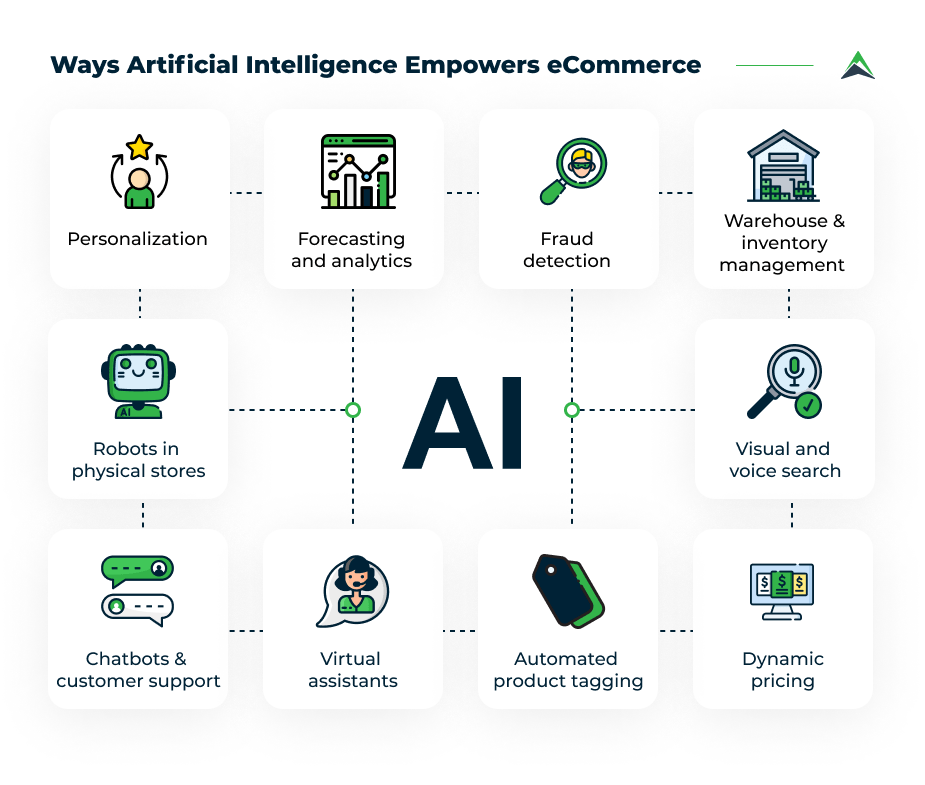
One of the most common uses of artificial intelligence in online businesses is customer support. AI-powered chatbots can answer customer questions instantly and provide assistance 24 hours a day.
These chatbots use natural language processing to understand customer queries and provide accurate responses. Businesses benefit because they can support thousands of customers without needing large customer service teams.
Personalized Shopping Experiences
AI helps online stores provide personalized shopping experiences. By analyzing browsing history, purchase behavior, and customer preferences, AI systems recommend products that customers are more likely to buy.
Personalized recommendations increase sales and improve customer satisfaction because shoppers find products that match their interests more quickly.
AI in Digital Marketing
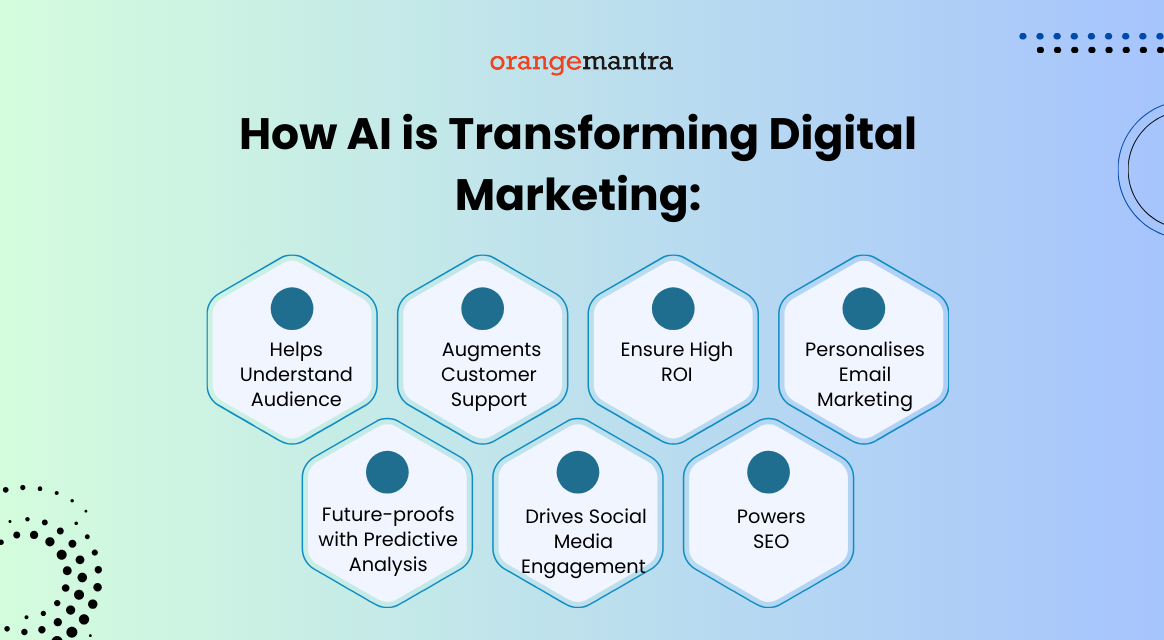
Digital marketing has been significantly improved through artificial intelligence. AI tools analyze consumer data and help businesses create targeted advertising campaigns.
Marketing platforms can automatically optimize ads, choose the best audiences, and adjust budgets to maximize results. This allows businesses to improve marketing performance while reducing advertising costs.
Automated Content Creation
Artificial intelligence tools are increasingly used to generate content for blogs, social media, and product descriptions. These tools can help businesses create marketing materials quickly and efficiently.
While human creativity remains important, AI-assisted content creation allows companies to scale their content production and maintain consistent online presence.
Data Analysis and Business Insights
Online businesses generate large amounts of data every day. Artificial intelligence helps analyze this data to identify trends, customer preferences, and potential opportunities.
AI-powered analytics tools provide insights that help businesses make better decisions about pricing, product development, and marketing strategies.
Inventory Management
Managing inventory is an important part of running an online store. Artificial intelligence systems can predict demand based on historical sales data and market trends.
This helps businesses maintain the right amount of inventory and avoid problems such as stock shortages or overstocking.
Fraud Detection and Security
Artificial intelligence also improves security for online businesses. AI systems monitor transactions and detect suspicious activities that may indicate fraud.
Financial institutions and e-commerce companies rely on AI to protect customers from unauthorized transactions and cyber threats.
AI in Business Automation
Automation is one of the biggest advantages of artificial intelligence. AI tools can automate repetitive tasks such as data entry, email responses, and order processing.
Automation allows businesses to save time and focus on more strategic activities such as product development and customer engagement.
FAQs
How does AI help online businesses?
AI helps businesses automate tasks, analyze data, improve customer service, and create personalized marketing strategies.
Can small businesses use AI tools?
Yes. Many AI tools are affordable and designed for small businesses to improve efficiency and online growth.
Is AI important for the future of online business?
Yes. Artificial intelligence is expected to become a core technology for digital businesses as competition and data-driven strategies continue to grow.
Artificial intelligence is reshaping the online business landscape by improving efficiency, automation, and customer experiences. Businesses that adopt AI technologies can gain a competitive advantage and grow faster in the rapidly evolving digital economy.