Artificial intelligence is rapidly transforming the digital marketing industry. Businesses are using AI-powered tools to analyze data, automate campaigns, personalize customer experiences, and improve marketing performance. As competition in online markets continues to grow, companies rely on AI technology to make smarter decisions and achieve better results.
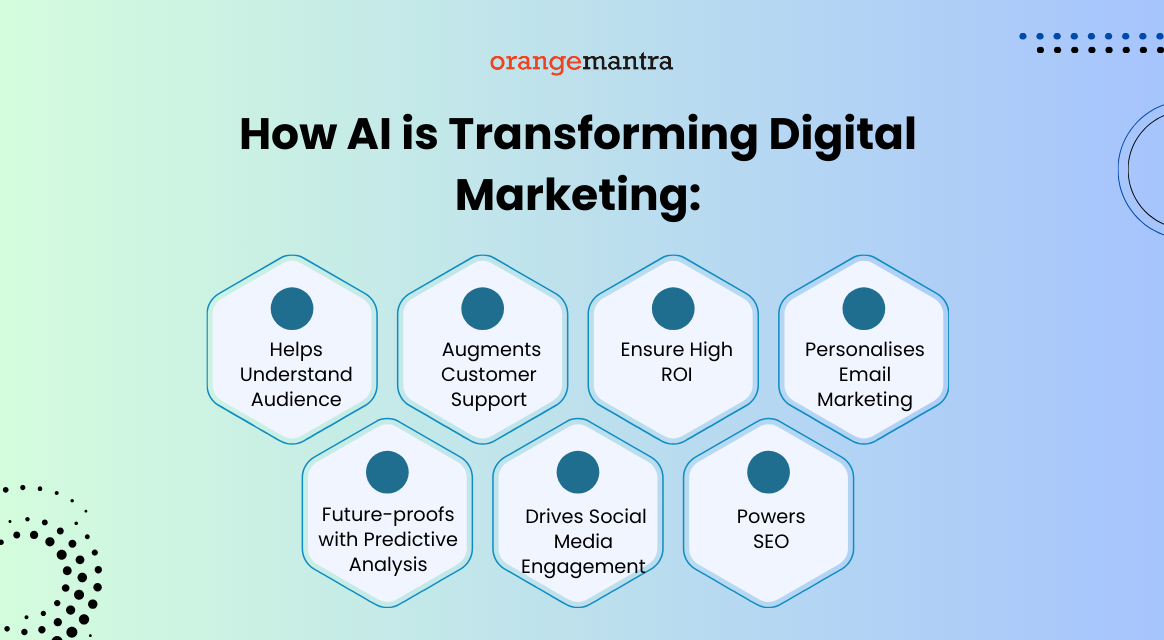
AI allows marketers to process large amounts of data quickly and identify patterns that would be difficult to detect manually. This ability helps businesses understand their audiences more accurately and deliver highly targeted marketing campaigns.
AI-Powered Data Analysis
Data plays a central role in digital marketing strategies. Marketers collect information about customer behavior, website traffic, purchasing patterns, and engagement metrics.
AI-powered analytics tools analyze this data to uncover valuable insights. These systems can identify trends, predict customer behavior, and recommend strategies that improve marketing performance.
Businesses that use AI analytics are able to make data-driven decisions faster and adjust their campaigns more effectively.
Personalized Customer Experiences
Personalization has become one of the most important elements of successful digital marketing. Customers expect brands to deliver relevant content and recommendations based on their interests.
Artificial intelligence makes personalization possible by analyzing user behavior and preferences. AI algorithms track browsing activity, purchase history, and engagement patterns to deliver personalized product suggestions and marketing messages.
E-commerce platforms frequently use AI to recommend products that customers are more likely to purchase, increasing sales and customer satisfaction.
AI in Content Creation
Content marketing is a major component of digital marketing strategies. AI tools help marketers create blog posts, social media captions, email campaigns, and advertising copy more efficiently.
These tools analyze language patterns and marketing data to generate relevant content ideas and drafts. While human creativity remains important, AI assists marketers by reducing the time required for content production.
Businesses can maintain consistent publishing schedules and produce larger volumes of content using AI-powered writing platforms.
Smarter Advertising Campaigns
Online advertising has become more sophisticated with the help of artificial intelligence. AI systems analyze user behavior and automatically optimize advertising campaigns to reach the most relevant audiences.
Platforms such as search engines and social media networks use AI algorithms to determine which ads should be shown to specific users.
AI-driven advertising tools also adjust bidding strategies, targeting settings, and budget allocations to maximize return on investment.
Chatbots and Customer Engagement
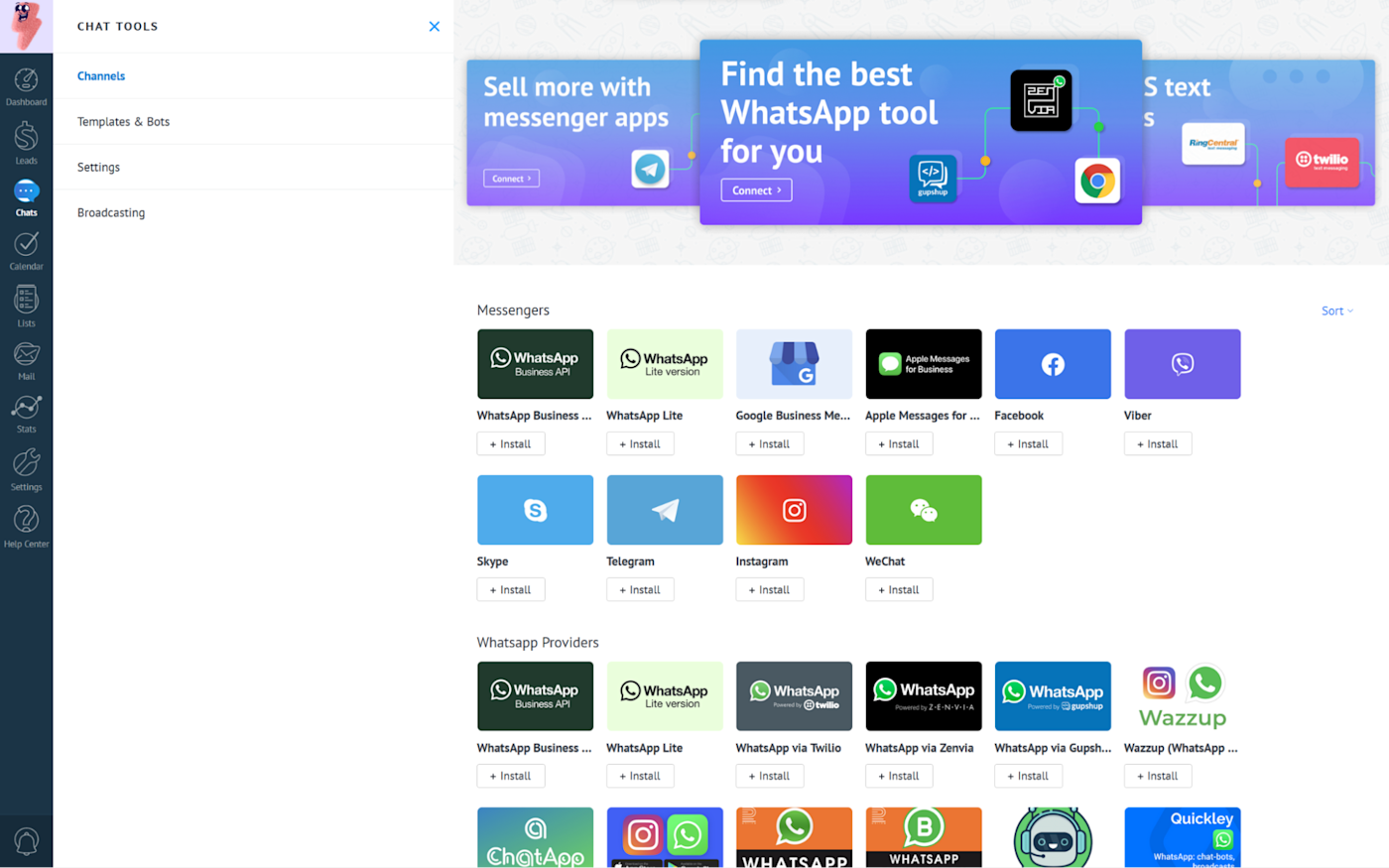
Customer communication is another area where AI is making a major impact. AI-powered chatbots allow businesses to provide instant responses to customer questions at any time of day.
Chatbots can answer frequently asked questions, guide customers through product selections, and assist with order tracking. This technology reduces the workload for customer support teams while improving response times.
Advanced AI chatbots can also analyze customer intent and deliver more personalized responses.
Predictive Marketing
Predictive marketing uses artificial intelligence to forecast future customer behavior based on historical data. By analyzing past interactions, purchases, and browsing patterns, AI systems can predict which customers are most likely to make a purchase.
This allows businesses to focus their marketing efforts on high-value leads and improve conversion rates.
Predictive marketing also helps companies anticipate demand, plan inventory, and design more effective promotional strategies.
Social Media Optimization
Social media platforms generate massive amounts of data about user behavior and engagement. AI tools analyze this data to identify the best times to post content, the types of content that perform best, and the audiences most likely to engage.
Marketers use AI-powered social media management tools to schedule posts, monitor brand mentions, and analyze campaign performance.
These tools help businesses maintain active social media presences while saving time and resources.
Benefits of AI in Digital Marketing
One of the biggest advantages of artificial intelligence is efficiency. AI automates repetitive tasks such as data analysis, customer segmentation, and campaign monitoring.
AI also improves accuracy by analyzing large datasets quickly and reducing the likelihood of human error.
Another benefit is scalability. Businesses can manage large marketing campaigns across multiple channels without dramatically increasing staff or operational costs.
The Future of AI in Marketing
Artificial intelligence will continue to play a growing role in digital marketing. As AI technology advances, marketing platforms will become more intelligent and capable of delivering even more personalized experiences.
Voice search optimization, advanced predictive analytics, and AI-driven customer journey mapping are expected to shape the future of marketing strategies.
Companies that adopt AI technology early will gain a competitive advantage by understanding their customers better and delivering more effective marketing campaigns.
Artificial intelligence is reshaping digital marketing by enabling smarter data analysis, personalized customer experiences, and automated campaign management. Businesses that integrate AI tools into their marketing strategies can improve efficiency, increase engagement, and achieve better return on investment. As digital markets continue to evolve, AI will remain a key driver of innovation and growth in the marketing industry.