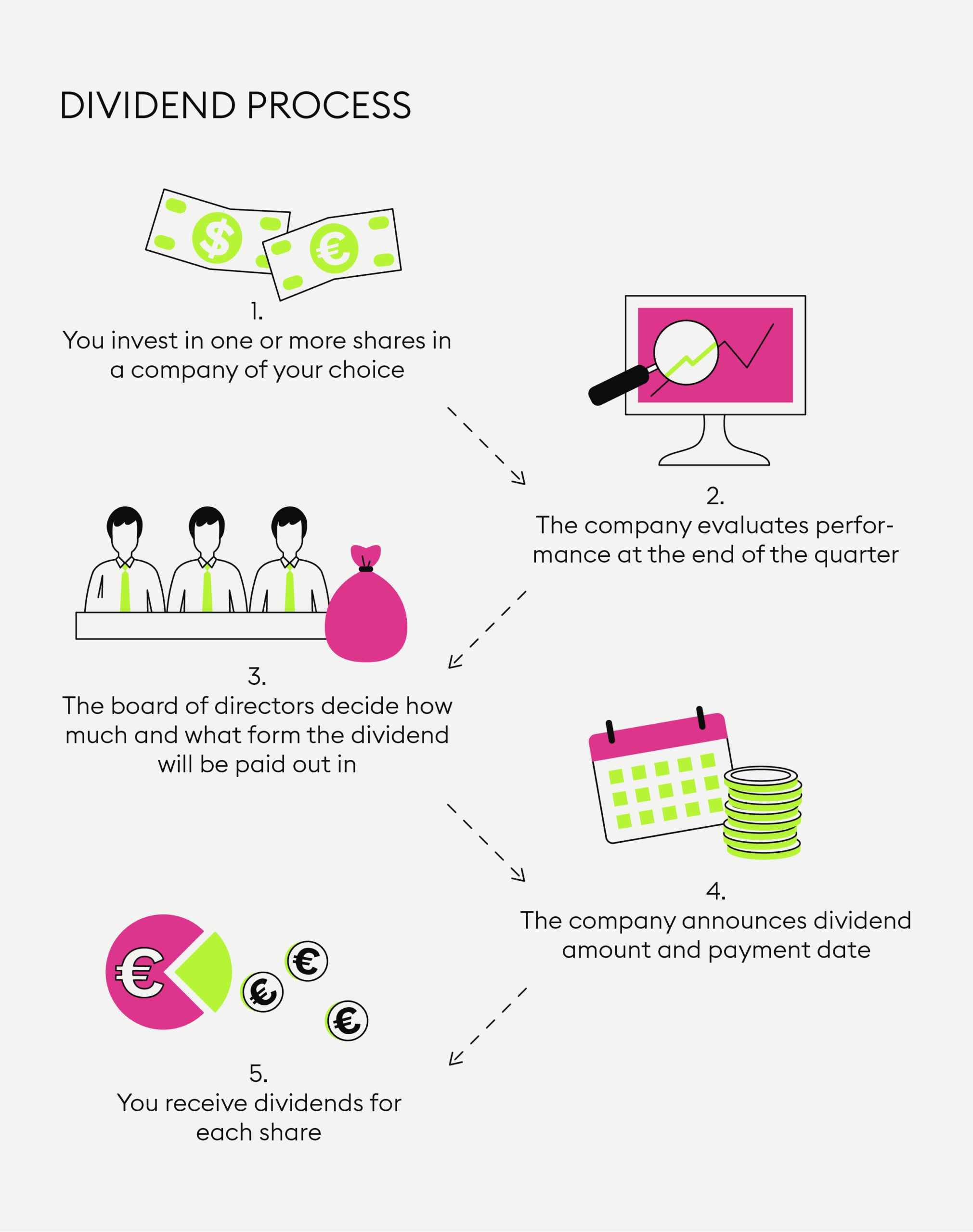
Passive income has become one of the most popular financial strategies for long-term wealth building. Among the many passive income methods available, dividend investing remains one of the most reliable and beginner-friendly approaches. Dividend stocks allow investors to earn regular payments from companies simply by owning their shares. These payments, known as dividends, are distributed from a company’s profits to its shareholders.
Building passive income with dividend stocks requires smart planning, patience, and a long-term investment strategy. With the right approach, dividend investing can generate consistent income while also allowing your investment portfolio to grow over time.
What Are Dividend Stocks
Dividend stocks are shares of companies that regularly distribute a portion of their profits to shareholders. These payments are usually made quarterly but may also be paid monthly or annually depending on the company.
Large, well-established companies often pay dividends because they generate stable profits and have less need to reinvest all their earnings into growth. Industries such as utilities, banking, consumer goods, and telecommunications are known for offering strong dividend-paying stocks.
Dividend stocks offer two potential benefits for investors. The first is regular income through dividend payments. The second is capital appreciation if the stock price increases over time.
Why Dividend Investing Is Popular
Dividend investing has gained popularity because it provides a predictable income stream. Unlike speculative investments that rely entirely on price growth, dividend stocks provide cash returns even if the market fluctuates.
Another advantage is compounding. When dividends are reinvested into additional shares, investors can increase their total holdings and earn even more dividends in the future.
Dividend stocks are also generally considered less volatile compared to many growth stocks, making them attractive for long-term investors seeking stable returns.
How Dividend Yield Works
Dividend yield is one of the most important metrics for dividend investors. It represents the percentage of the stock price that a company pays in dividends annually.
For example, if a company pays $4 in dividends per year and the stock price is $100, the dividend yield would be 4%.
While higher yields can be attractive, extremely high dividend yields may sometimes indicate financial instability within the company. Investors should always evaluate the sustainability of the dividend before making investment decisions.
Best Types of Dividend Stocks for Passive Income
Not all dividend stocks are equal. Some companies offer more stable and reliable dividend payments than others.
Dividend Aristocrats are among the most respected dividend stocks. These companies have increased their dividends for at least 25 consecutive years. They are often financially strong and operate in stable industries.
Blue-chip companies are another popular category for dividend investors. These companies are large, well-established corporations with strong market positions and consistent earnings.
Real Estate Investment Trusts (REITs) are also known for paying high dividends. These companies generate income from real estate investments and distribute a large portion of their profits to shareholders.
How to Start Investing in Dividend Stocks
The first step in building passive income with dividend stocks is opening a brokerage account. Online brokerage platforms allow investors to buy and manage stocks easily from their computers or mobile devices.
Once an account is opened, investors can research companies with strong dividend histories, stable financial performance, and sustainable payout ratios.
Diversification is another key strategy. Instead of investing all funds into a single company, spreading investments across multiple dividend stocks reduces risk and increases income stability.
Reinvesting Dividends for Faster Growth
One of the most powerful strategies in dividend investing is reinvesting dividends. Many brokerage platforms offer Dividend Reinvestment Plans (DRIPs), which automatically use dividend payments to purchase additional shares.
Over time, reinvesting dividends allows investors to benefit from compound growth. As the number of shares increases, the total dividend payments also increase.
This compounding effect can significantly accelerate wealth accumulation over the long term.
Risks of Dividend Investing
Although dividend stocks are generally considered stable investments, they still carry certain risks. Companies may reduce or eliminate dividends during financial difficulties.
Economic downturns can also affect company profits and dividend payments. Investors should evaluate financial metrics such as payout ratio, revenue growth, and debt levels before investing.
Diversifying investments across different sectors can help reduce the impact of potential dividend cuts.
Tips for Building a Strong Dividend Portfolio
Building a reliable dividend portfolio requires a long-term perspective and careful stock selection. Investors should focus on companies with strong earnings, consistent dividend growth, and sustainable payout ratios.
Regularly reviewing investment portfolios is also important to ensure that companies continue to perform well financially.
Investors should avoid chasing extremely high dividend yields without understanding the underlying financial health of the company.
Dividend investing is one of the most effective strategies for generating passive income and building long-term wealth. By investing in financially strong companies with consistent dividend payments, individuals can create a steady stream of income while benefiting from long-term stock market growth. With patience, diversification, and reinvestment strategies, dividend stocks can become a powerful foundation for financial independence and passive income generation.