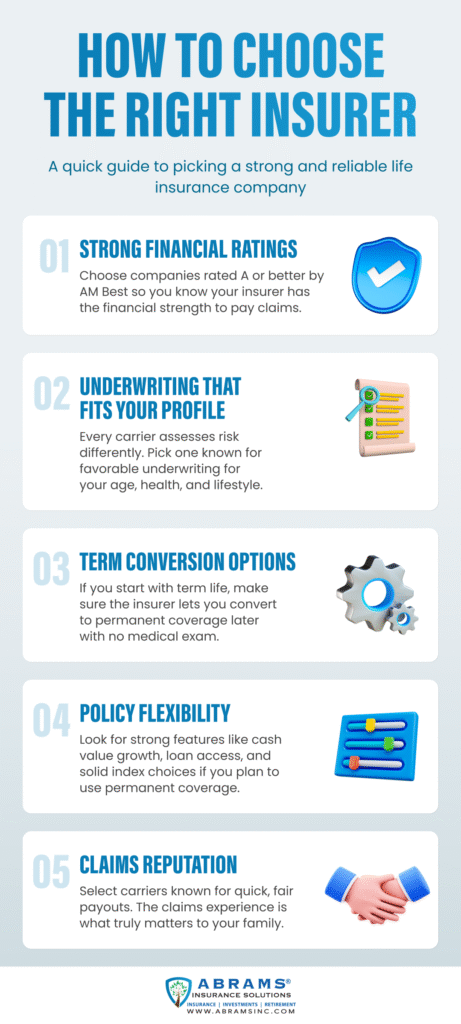
Life insurance is one of the most important financial tools for protecting your family’s future. It provides financial security for your loved ones if something unexpected happens to you. The payout from a life insurance policy can help cover living expenses, outstanding debts, education costs, and other financial obligations. However, choosing the right life insurance policy can be confusing because there are several types of policies available. Understanding how life insurance works and what factors to consider can help you make the best decision.
Why Life Insurance Is Important
Life insurance acts as a financial safety net for your family. If the primary earner passes away, the family may struggle to cover daily expenses, mortgage payments, loans, and other costs. A life insurance policy ensures that your dependents have financial support during difficult times.
Life insurance can also help pay for funeral expenses, estate taxes, and outstanding debts. For families with children, life insurance can ensure that future education costs are covered.
For business owners, life insurance can protect business continuity by helping partners buy out ownership shares or cover operational costs.
Types of Life Insurance Policies
Understanding the different types of life insurance policies is the first step in choosing the right coverage.
Term Life Insurance
Term life insurance is the most common and affordable type of life insurance. It provides coverage for a specific period, usually 10, 20, or 30 years. If the policyholder passes away during the coverage period, the beneficiaries receive the death benefit.
Term life insurance is ideal for individuals who want affordable coverage during important financial years such as raising children or paying off a mortgage.
Key Features:
- Lower premiums compared to other policies
- Coverage for a fixed period
- Simple and easy to understand
- Ideal for young families
Whole Life Insurance
Whole life insurance provides lifetime coverage and includes a savings component known as cash value. A portion of the premium goes into the cash value account, which grows over time.
Policyholders can borrow against the cash value or withdraw funds in certain situations.
Key Features:
- Lifetime protection
- Cash value accumulation
- Fixed premiums
- Potential borrowing options
Universal Life Insurance
Universal life insurance offers flexible coverage and adjustable premiums. Policyholders can modify their coverage amount and payment schedule depending on their financial situation.
This type of policy also includes a cash value component that earns interest over time.
Key Features:
- Flexible premium payments
- Adjustable coverage
- Cash value growth
- Long-term financial planning benefits
How Much Life Insurance Coverage You Need
Choosing the right coverage amount depends on several factors including income, debts, family size, and long-term financial goals.
A common rule of thumb is to purchase life insurance coverage equal to 10 to 15 times your annual income. This ensures that your family can maintain their lifestyle if your income is lost.
You should also consider additional financial obligations such as mortgage balances, credit card debts, personal loans, and education expenses for children.
Factors That Affect Life Insurance Premiums
Life insurance premiums vary depending on several personal and financial factors.
Age is one of the most significant factors affecting premiums. Younger applicants usually receive lower rates because they are considered lower risk.
Health status also plays a major role. Individuals with good health, no chronic diseases, and healthy lifestyles generally qualify for lower premiums.
Lifestyle choices such as smoking, excessive alcohol consumption, and dangerous hobbies can increase insurance costs.
The coverage amount and policy type also affect premium costs. Larger coverage amounts and permanent policies typically have higher premiums.
When Is the Best Time to Buy Life Insurance
The best time to buy life insurance is when you are young and healthy. Insurance companies offer the lowest premiums to applicants who have minimal health risks.
Waiting too long to purchase life insurance can result in higher premiums or even difficulty obtaining coverage due to health issues.
Major life events such as getting married, having children, buying a home, or starting a business are common times when people consider purchasing life insurance.
Tips for Choosing the Best Life Insurance Policy
Comparing policies from multiple insurance providers is essential before making a final decision. Different companies offer different pricing structures and benefits.
Working with a licensed insurance agent or using online comparison tools can help identify the best policy for your needs.
It is also important to read the policy terms carefully. Understanding exclusions, premium structures, and payout conditions ensures that there are no surprises later.
Reviewing your life insurance policy regularly is another good practice. As your financial situation changes, you may need to adjust your coverage to match new responsibilities.
Selecting the right life insurance policy requires careful evaluation of your financial goals, family needs, and long-term plans. Term life insurance provides affordable protection for a fixed period, while permanent policies such as whole life and universal life offer lifetime coverage and investment features. By understanding the different options and comparing policies carefully, individuals can secure reliable financial protection for their families and ensure long-term peace of mind.