Personal injury cases can arise from many situations such as car accidents, workplace injuries, medical malpractice, or defective products. When someone suffers injuries due to another person’s negligence, they may have the legal right to pursue compensation for medical expenses, lost wages, and other damages. A personal injury lawyer plays a crucial role in helping victims navigate the legal system and secure fair compensation.
Choosing the right personal injury lawyer is one of the most important decisions accident victims can make. The right attorney can significantly influence the success of a case and ensure that the client’s legal rights are protected throughout the process.
What a Personal Injury Lawyer Does
A personal injury lawyer represents individuals who have been injured due to someone else’s negligence or wrongdoing. Their primary goal is to help clients recover financial compensation for damages caused by the accident.
Personal injury attorneys handle tasks such as investigating the incident, gathering evidence, interviewing witnesses, reviewing medical records, and negotiating with insurance companies.
If a settlement cannot be reached through negotiation, the lawyer may file a lawsuit and represent the client in court.
Experience in Personal Injury Law
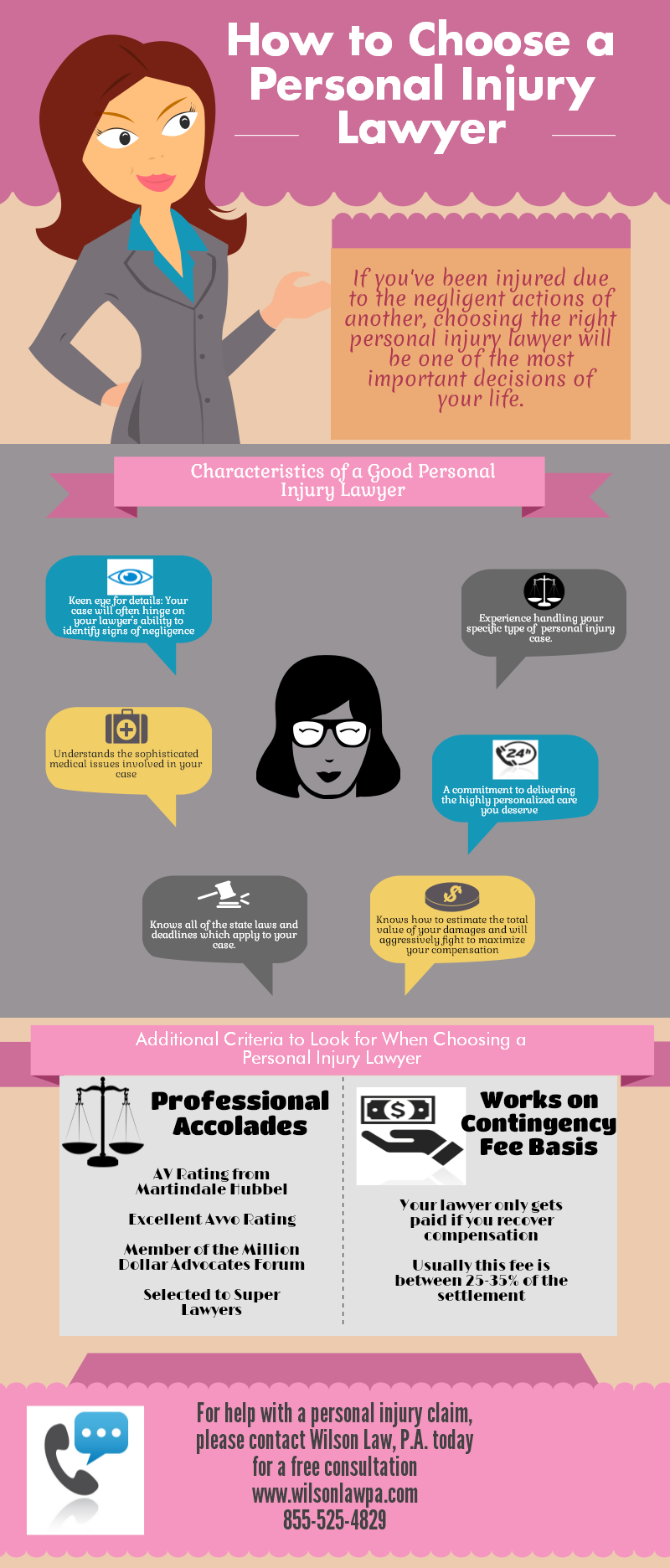
One of the most important factors to consider when choosing a lawyer is experience. Personal injury law is complex, and attorneys who specialize in this field understand the legal strategies required to win cases.
An experienced lawyer is familiar with insurance company tactics, legal procedures, and negotiation techniques that help maximize compensation for clients.
When researching attorneys, it is helpful to review their case history, past settlements, and years of experience handling personal injury claims.
Reputation and Client Reviews
A lawyer’s reputation can provide valuable insights into the quality of their services. Reading online reviews, testimonials, and case results can help determine whether a lawyer has successfully represented other clients.
Highly rated attorneys often have strong reputations for professionalism, communication, and successful case outcomes.
It may also be helpful to ask for recommendations from friends, family members, or colleagues who have previously worked with personal injury lawyers.
Communication and Availability
Clear communication between the lawyer and client is essential during legal proceedings. Clients should feel comfortable discussing their case and asking questions about the legal process.
A good personal injury lawyer keeps clients informed about case progress, explains legal options clearly, and responds promptly to inquiries.
During the initial consultation, pay attention to how well the lawyer listens to your concerns and whether they explain the legal process in a clear and understandable manner.
Fee Structure and Payment Terms
Most personal injury lawyers work on a contingency fee basis. This means that the lawyer only receives payment if the case is successful and compensation is recovered.
Typically, the attorney receives a percentage of the settlement or court award. This arrangement allows accident victims to pursue legal action without paying upfront legal fees.
It is important to understand the lawyer’s fee structure before signing a legal agreement. Clients should ask about the percentage charged, additional legal costs, and payment terms.
Resources and Legal Team
Successful personal injury cases often require significant resources. Lawyers may need access to accident reconstruction experts, medical specialists, investigators, and legal researchers to build strong cases.
Law firms with larger legal teams and financial resources are often better equipped to handle complex injury cases.
When selecting a lawyer, consider whether the firm has the necessary resources to conduct thorough investigations and pursue litigation if necessary.
Trial Experience
While many personal injury cases are resolved through settlements, some cases proceed to trial. A lawyer with strong courtroom experience can effectively represent clients before judges and juries.
Insurance companies are also more likely to offer fair settlements when they know the attorney has a strong record of successful trial litigation.
Choosing a lawyer with both negotiation skills and trial experience provides additional protection if the case goes to court.
Initial Consultation
Many personal injury lawyers offer free initial consultations. This meeting provides an opportunity to discuss the case, ask questions, and evaluate whether the lawyer is a good fit.
During the consultation, clients should ask about the lawyer’s experience with similar cases, estimated timelines, and potential compensation outcomes.
This meeting also allows clients to assess whether they feel comfortable working with the attorney throughout the legal process.
Questions to Ask Before Hiring a Lawyer
Before hiring a personal injury lawyer, it is helpful to ask several important questions. These questions may include how many similar cases the lawyer has handled, what the expected timeline for the case may be, and how communication will be handled during the legal process.
Clients should also ask about the lawyer’s strategy for negotiating with insurance companies and whether the lawyer is prepared to take the case to trial if necessary.
These questions help ensure that clients select an attorney who is capable of handling their case effectively.
Importance of Acting Quickly
Personal injury claims are subject to legal deadlines known as statutes of limitations. These deadlines determine how long victims have to file lawsuits after an accident occurs.
Failing to file a claim within the required timeframe may result in losing the right to pursue compensation.
Contacting a personal injury lawyer as soon as possible after an accident ensures that evidence is preserved and legal deadlines are met.
Choosing the right personal injury lawyer requires careful research and consideration. Factors such as experience, reputation, communication, resources, and trial expertise all play important roles in determining the quality of legal representation. By selecting a qualified attorney and understanding the legal process, accident victims can improve their chances of receiving fair compensation and successfully resolving their personal injury claims.