A good credit score plays a crucial role in financial stability. It affects your ability to get approved for loans, credit cards, mortgages, and even rental applications. A higher credit score can also help you qualify for lower interest rates, saving thousands of dollars over time. Many people believe improving a credit score takes years, but with the right strategies, noticeable improvements can happen much faster.
Understanding how credit scores work and focusing on key financial habits can significantly increase your credit score in a relatively short period.
What Is a Credit Score
A credit score is a numerical representation of a person’s creditworthiness. Lenders use this score to evaluate how likely a borrower is to repay borrowed money. Credit scores typically range from 300 to 850.
Higher credit scores indicate lower risk to lenders. Individuals with strong credit scores are more likely to receive favorable loan terms, lower interest rates, and higher credit limits.
Credit scoring models such as FICO and VantageScore calculate scores using several financial factors including payment history, credit utilization, length of credit history, credit mix, and new credit inquiries.
Pay All Bills on Time
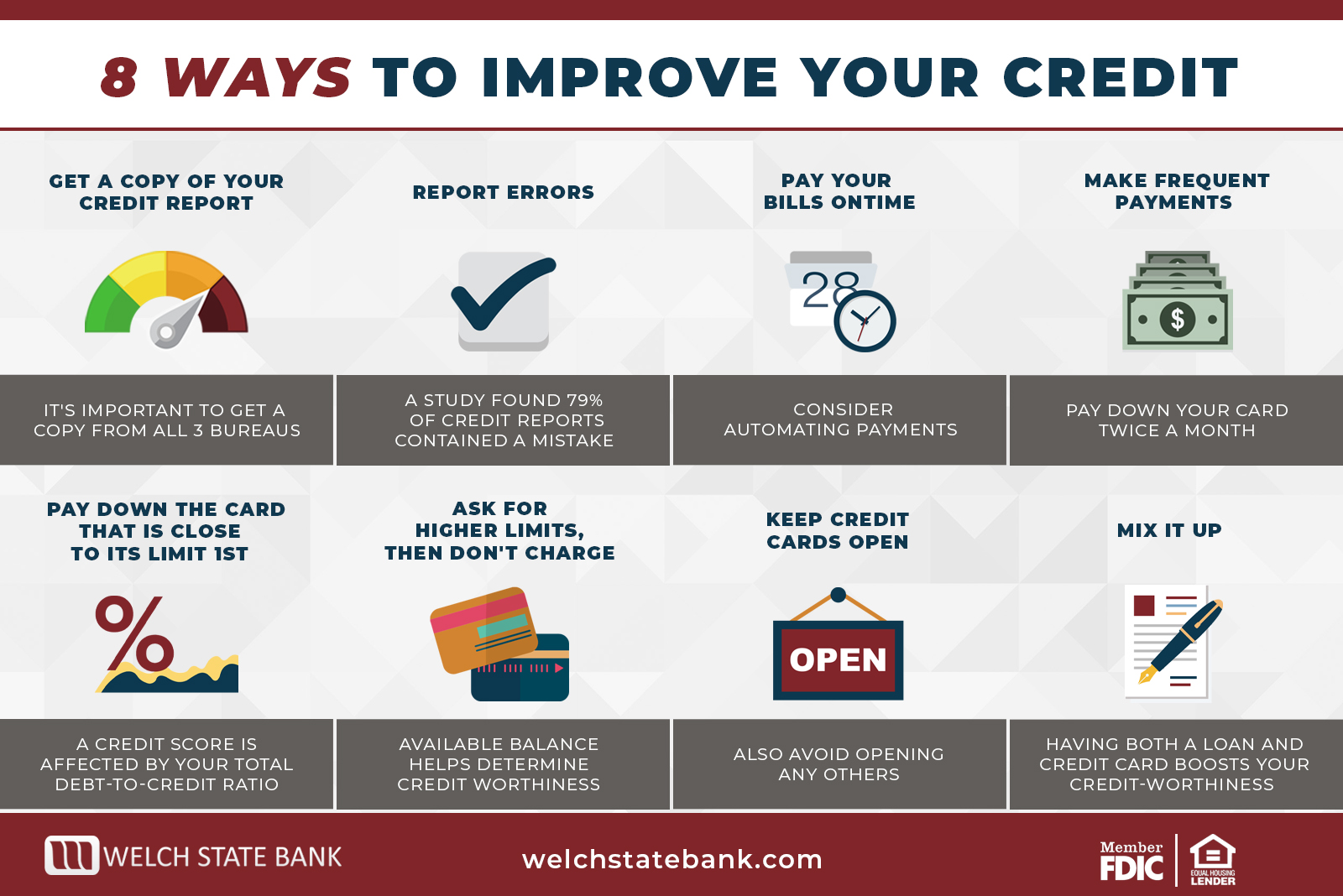
Payment history is the most important factor in determining a credit score. Late payments, missed payments, or defaulted accounts can significantly damage a credit profile.
Making consistent on-time payments demonstrates financial responsibility to lenders. Even a single late payment can remain on a credit report for several years.
Setting up automatic payments or payment reminders can help ensure that all bills are paid before the due date. This includes credit cards, personal loans, utilities, and other recurring financial obligations.
Reduce Credit Card Balances
Credit utilization is another major factor that affects credit scores. It refers to the percentage of available credit currently being used.
Financial experts generally recommend keeping credit utilization below 30 percent of the total credit limit. Lower utilization ratios often lead to higher credit scores.
For example, if a credit card has a $5,000 limit, keeping the balance below $1,500 can help maintain a healthy credit profile.
Paying down existing credit card balances is one of the fastest ways to improve a credit score.
Avoid Opening Too Many New Accounts
Applying for multiple credit accounts within a short period can lower your credit score. Each credit application results in a hard inquiry on your credit report.
While one or two inquiries may have a small impact, numerous inquiries within a short timeframe can signal financial distress to lenders.
Instead of applying for many credit cards or loans at once, focus on managing existing accounts responsibly.
Check Your Credit Report for Errors
Credit report errors are more common than many people realize. Incorrect account balances, duplicate accounts, or inaccurate payment records can negatively affect credit scores.
Consumers have the right to request and review their credit reports regularly. If errors are found, they should be reported to the credit bureau immediately.
Correcting inaccurate information can lead to quick improvements in credit scores.
Increase Your Credit Limit
Increasing your credit limit can improve your credit utilization ratio if spending remains the same. For example, if your credit card balance is $1,000 and the credit limit increases from $3,000 to $6,000, your utilization ratio drops significantly.
Lower utilization ratios are viewed positively by credit scoring models.
However, it is important not to increase spending simply because the credit limit increases.
Keep Old Credit Accounts Open
The length of credit history contributes to credit score calculations. Older credit accounts demonstrate long-term financial reliability.
Closing old accounts can shorten your credit history and reduce your available credit limit, which may negatively affect your credit score.
If an account does not have an annual fee, keeping it open can help maintain a strong credit history.
Diversify Your Credit Mix
Having different types of credit accounts can improve your credit score. Credit scoring models favor individuals who demonstrate the ability to manage multiple types of credit responsibly.
A healthy credit mix may include credit cards, personal loans, auto loans, or mortgages. However, opening new accounts should be done carefully to avoid unnecessary credit inquiries.
Become an Authorized User
Another strategy for improving credit scores is becoming an authorized user on someone else’s credit card account. If the primary account holder has a strong payment history and low balances, their positive credit behavior can help improve your credit profile.
This method is commonly used by young adults or individuals who are rebuilding their credit history.
Monitor Your Credit Regularly
Monitoring your credit score regularly allows you to track improvements and identify potential issues early. Many banks and financial platforms offer free credit score monitoring tools.
Regular monitoring helps ensure that payments are recorded correctly and that no fraudulent accounts appear on your credit report.
Improving your credit score requires consistent financial discipline and smart credit management. Paying bills on time, reducing credit card balances, maintaining low credit utilization, and monitoring credit reports are some of the most effective strategies for raising your score quickly. By practicing responsible credit habits and avoiding unnecessary debt, individuals can build a strong credit profile that opens the door to better financial opportunities and lower borrowing costs.